Professor Celestine Iwendi has developed a series of original research guidance diagrams designed to help students understand, structure and complete high quality academic research with greater clarity and confidence.
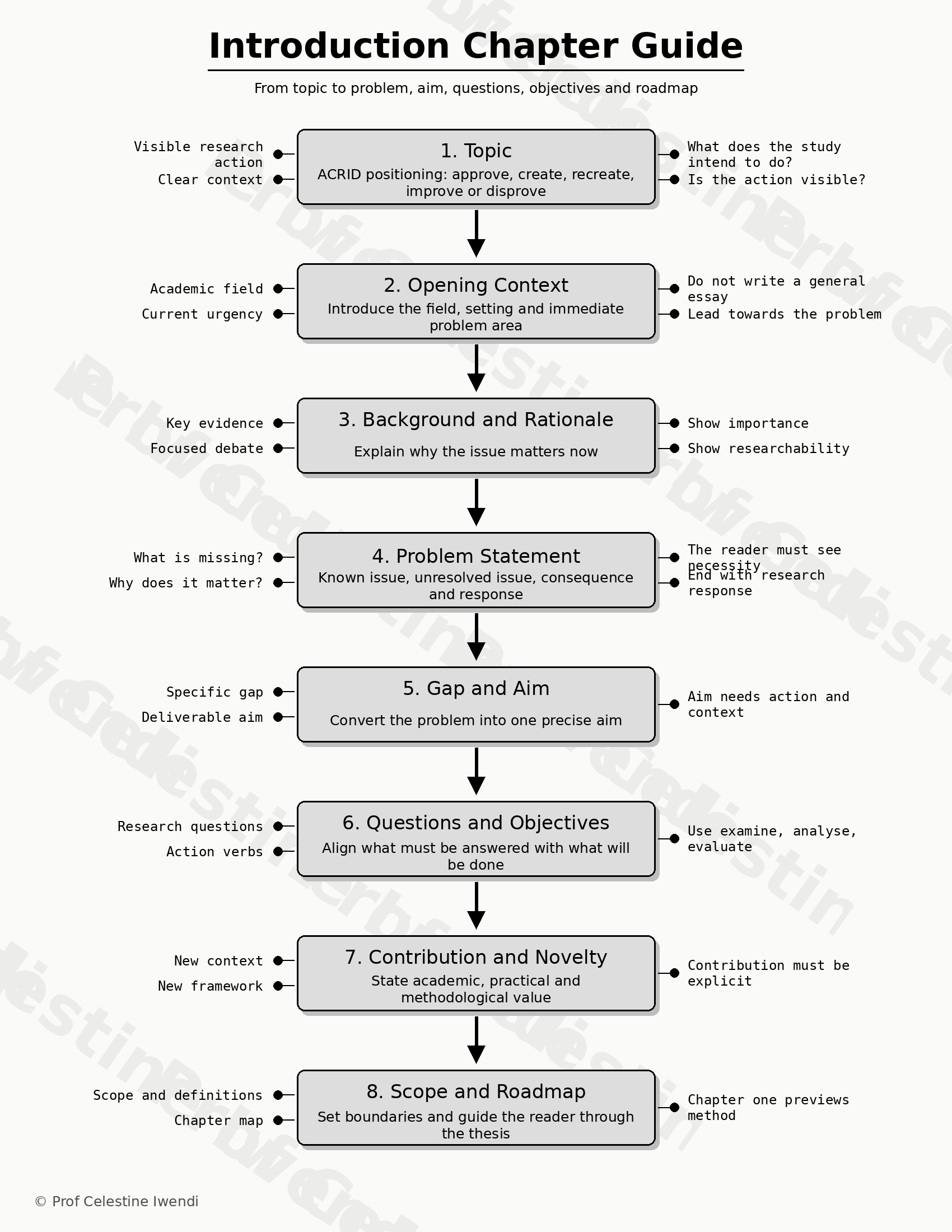
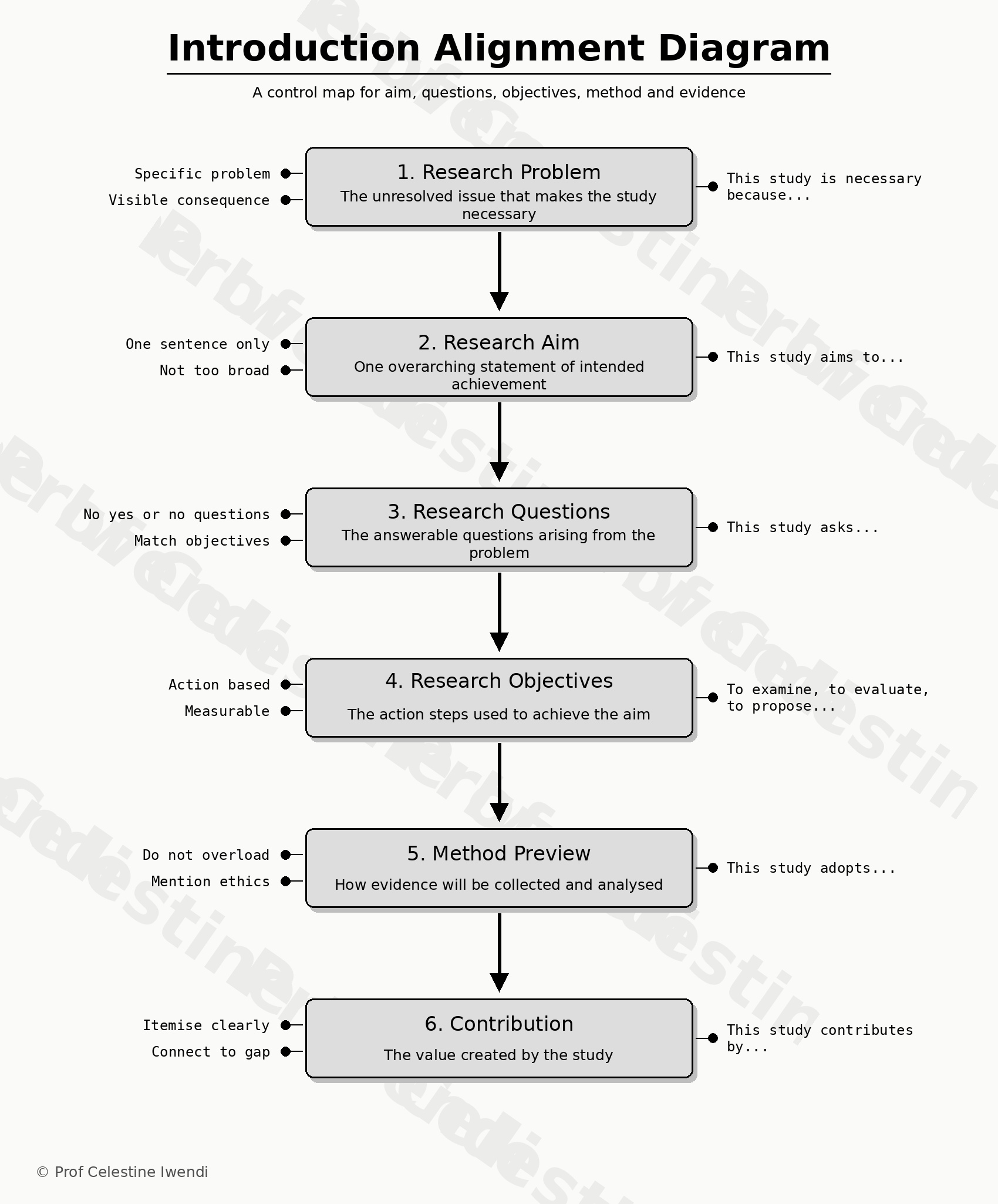
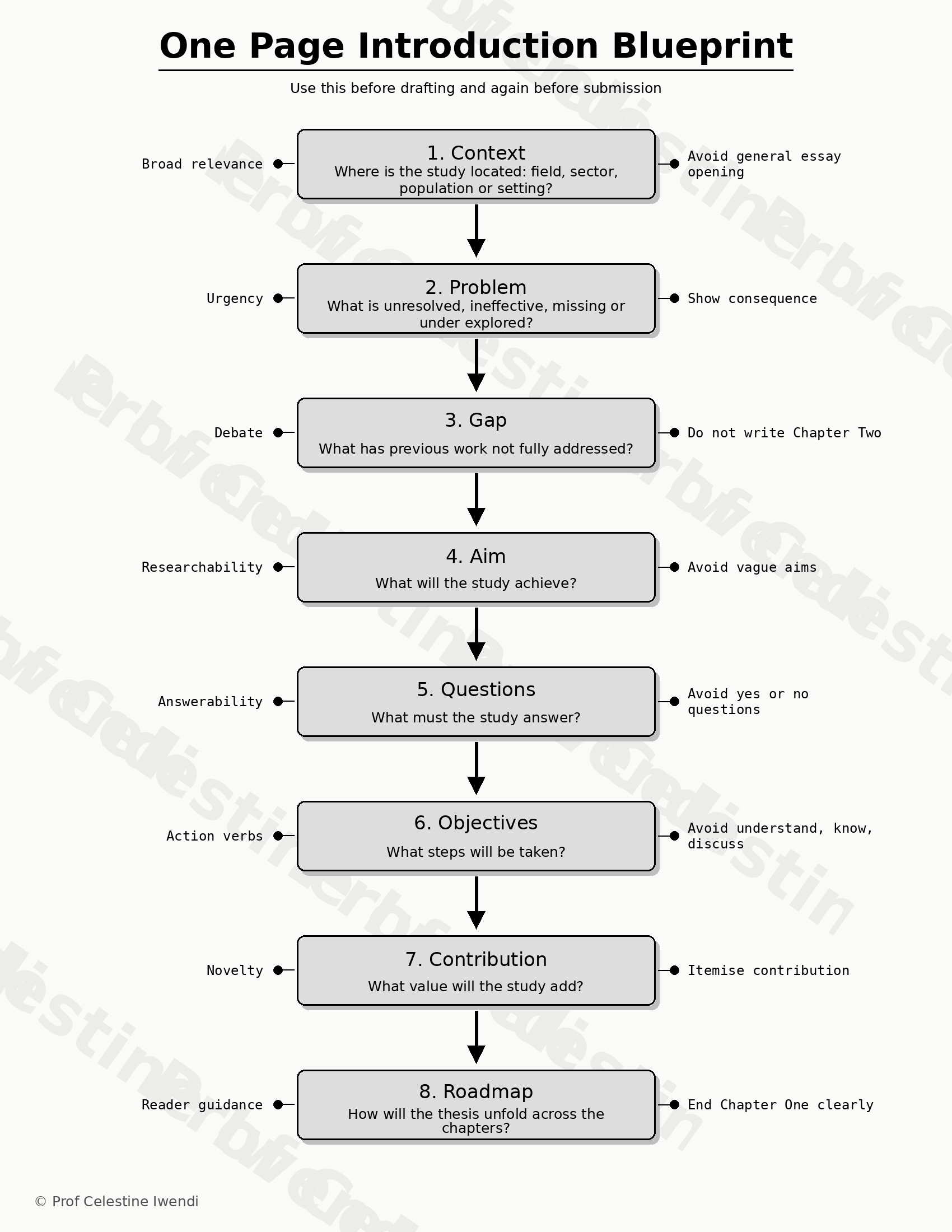
The research tools, which include chapter guides for introduction, literature review, methodology, results, journal writing and project development, were created to simplify the research process for undergraduate, postgraduate and doctoral students. They provide clear step by step direction on how to move from a broad topic to a focused research problem, well aligned research questions, measurable objectives, appropriate methodology, credible findings and meaningful contribution to knowledge.
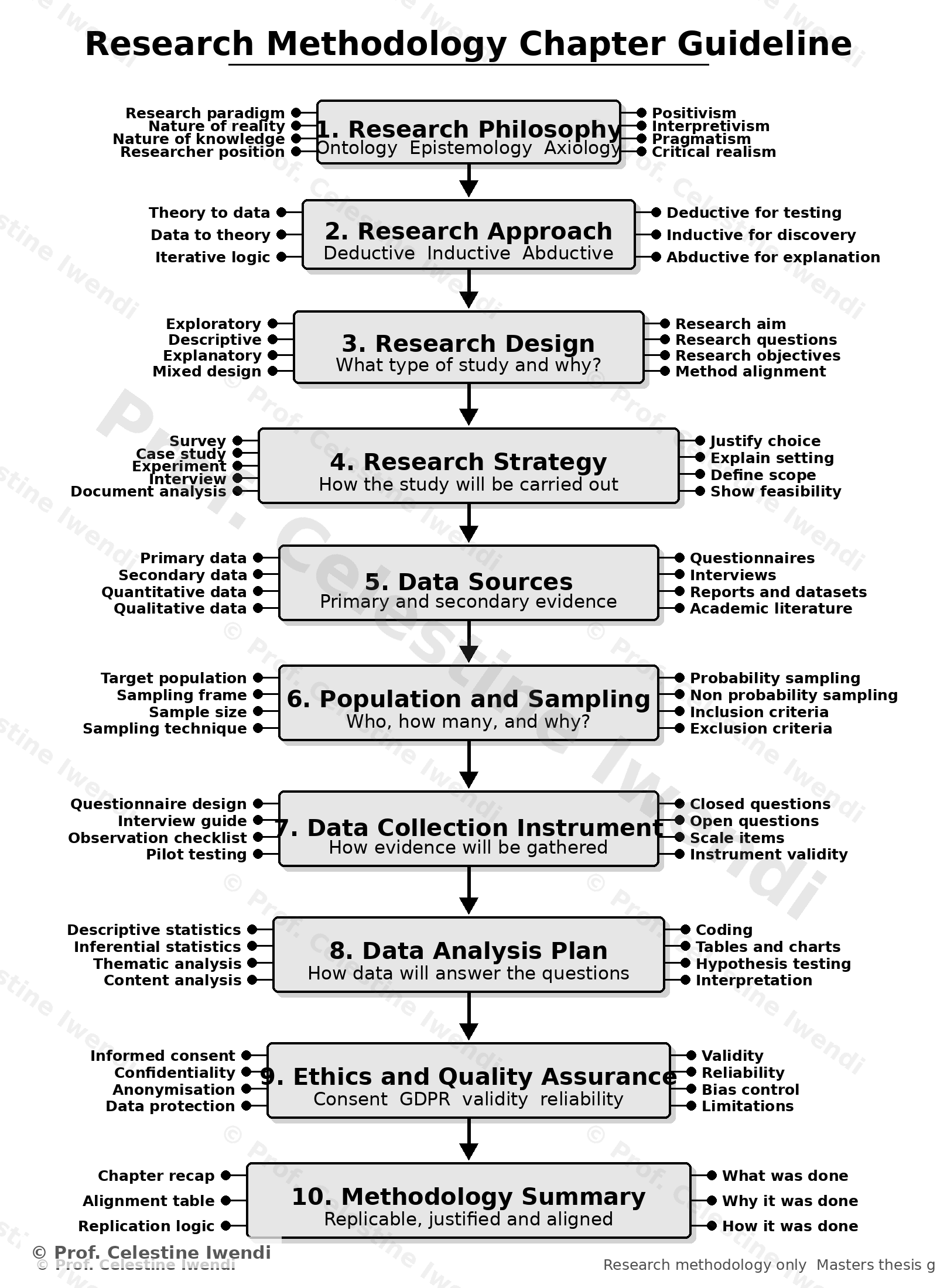
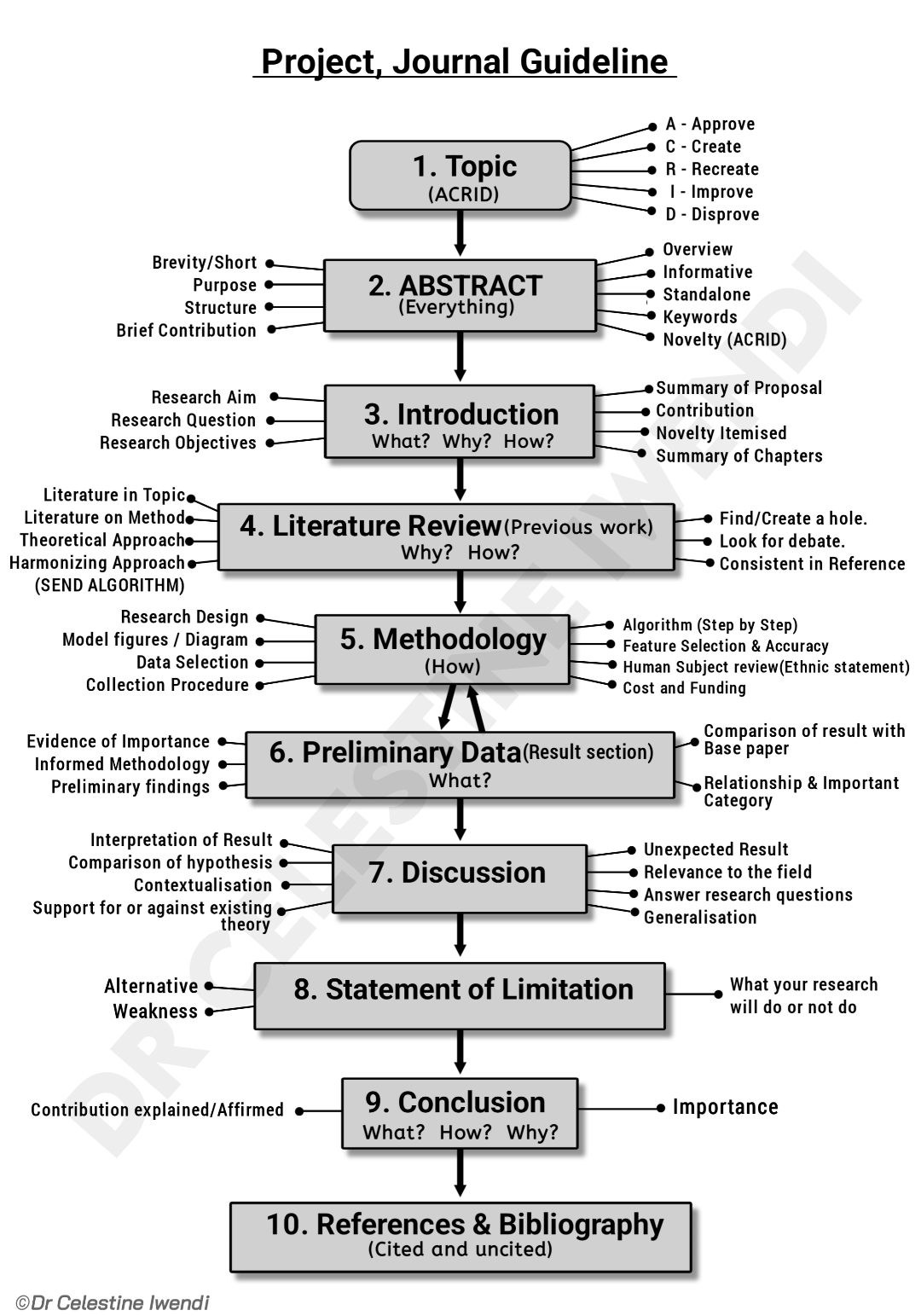
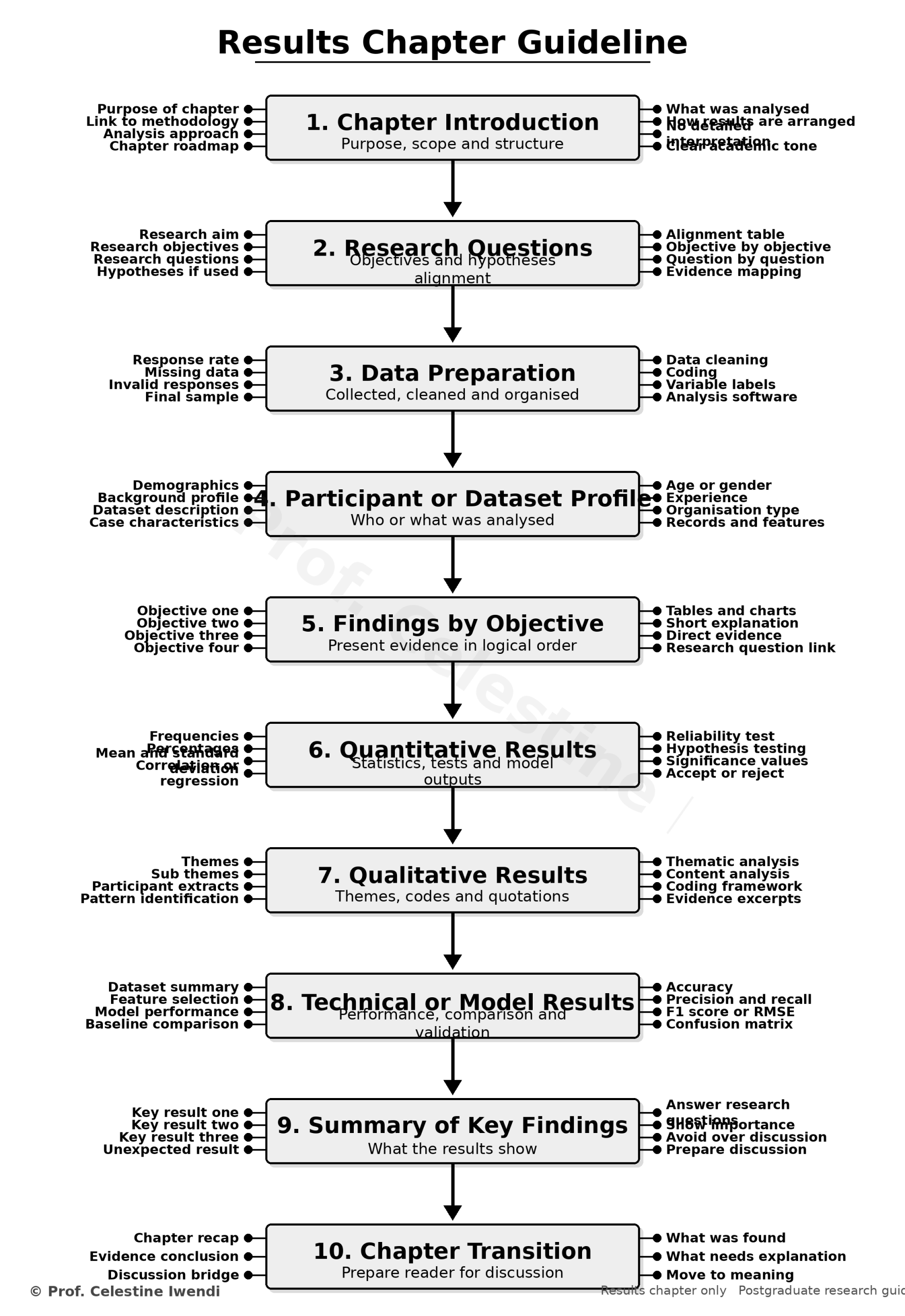
Speaking on the purpose of the initiative, Professor Iwendi emphasised that effective supervision goes beyond correcting student work. It requires creating intellectual pathways that help students become independent, critical and impactful researchers.
“A good teacher does not only give answers. A good teacher lights the path so that students can see, think, question and create knowledge for themselves,” he said.
The guides are based on Professor Iwendi’s extensive experience in teaching, research supervision, academic writing, peer review and international research collaboration. They are 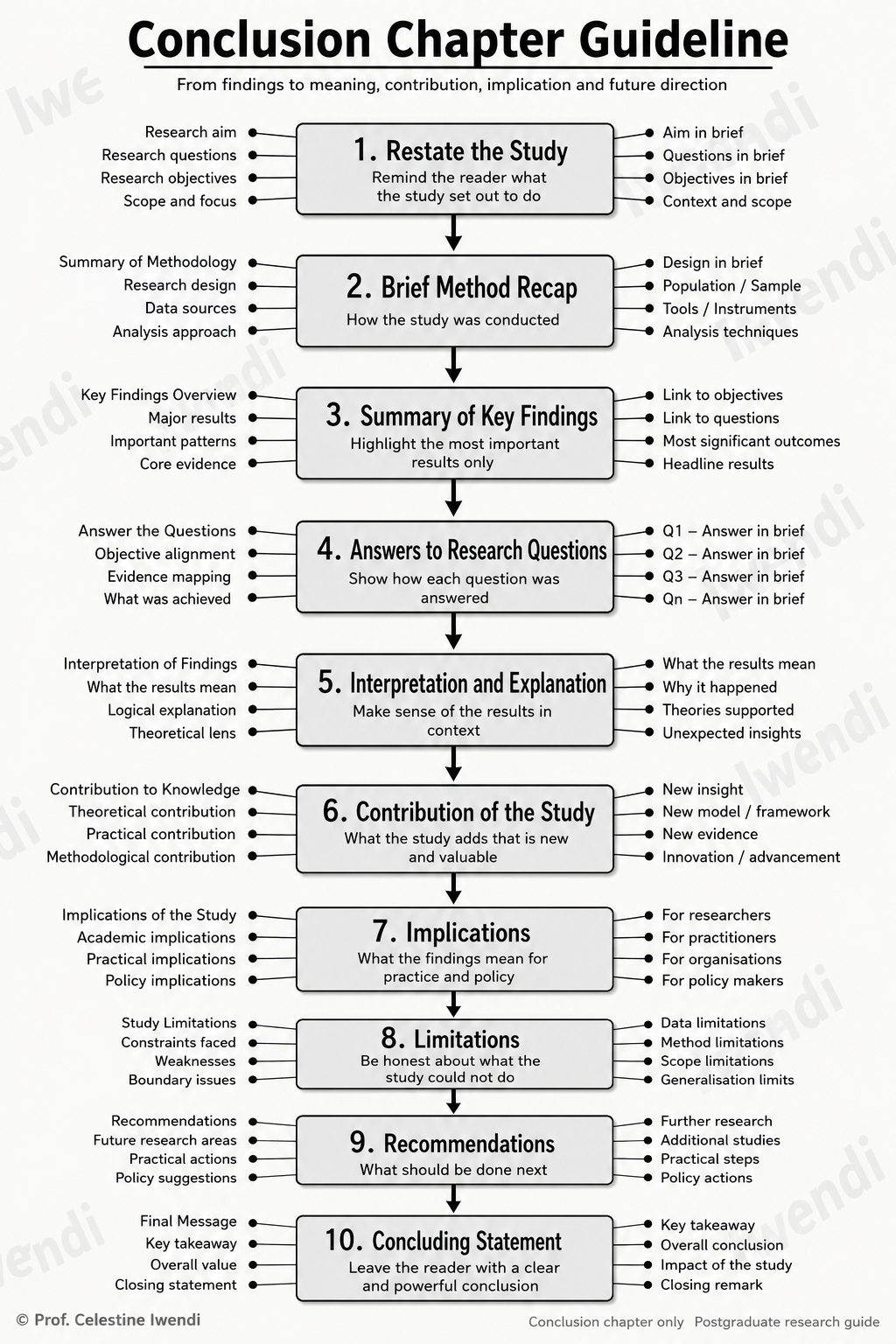
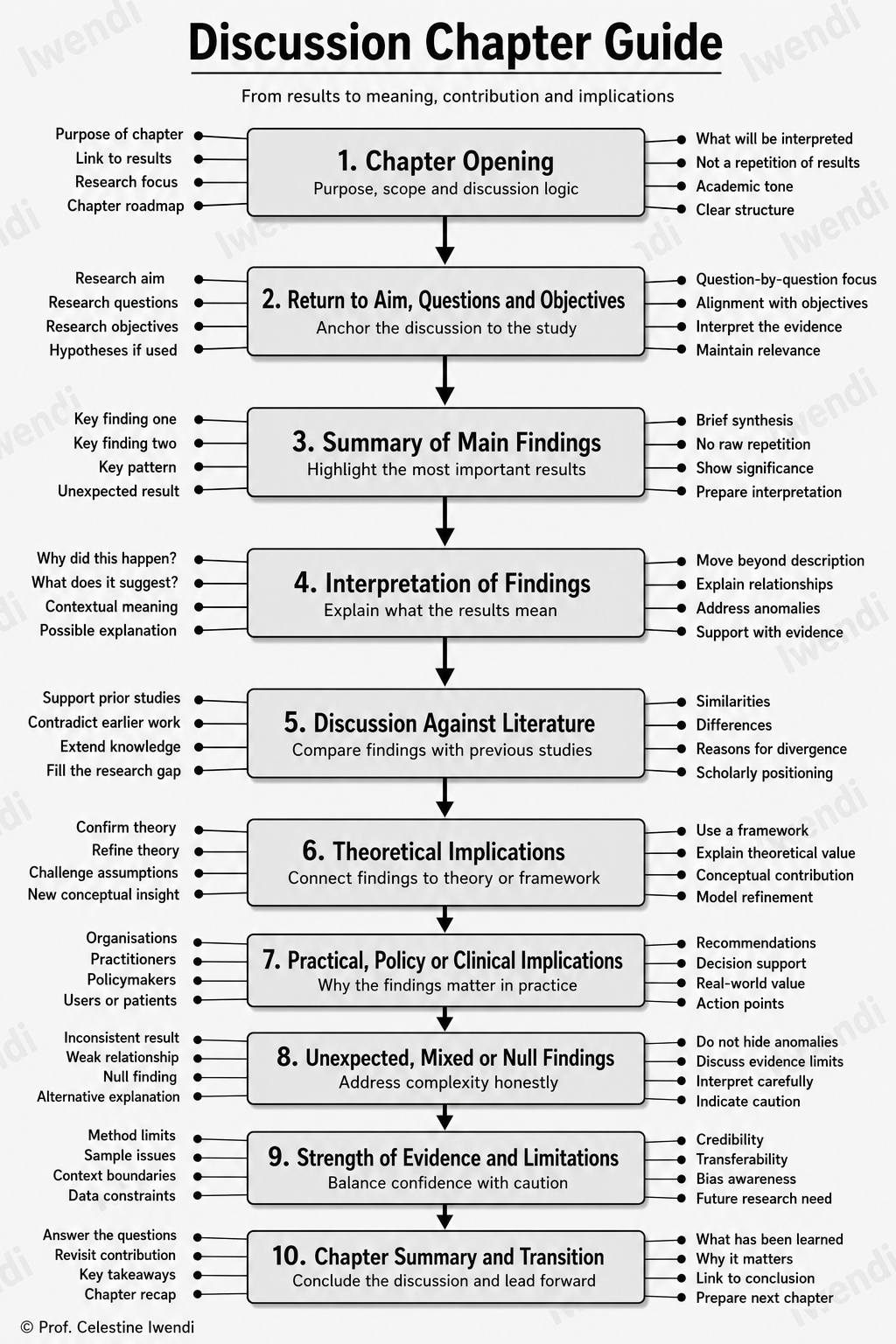 also informed by his commitment to developing students who can produce research that is not only academically sound, but also relevant to real world problems.
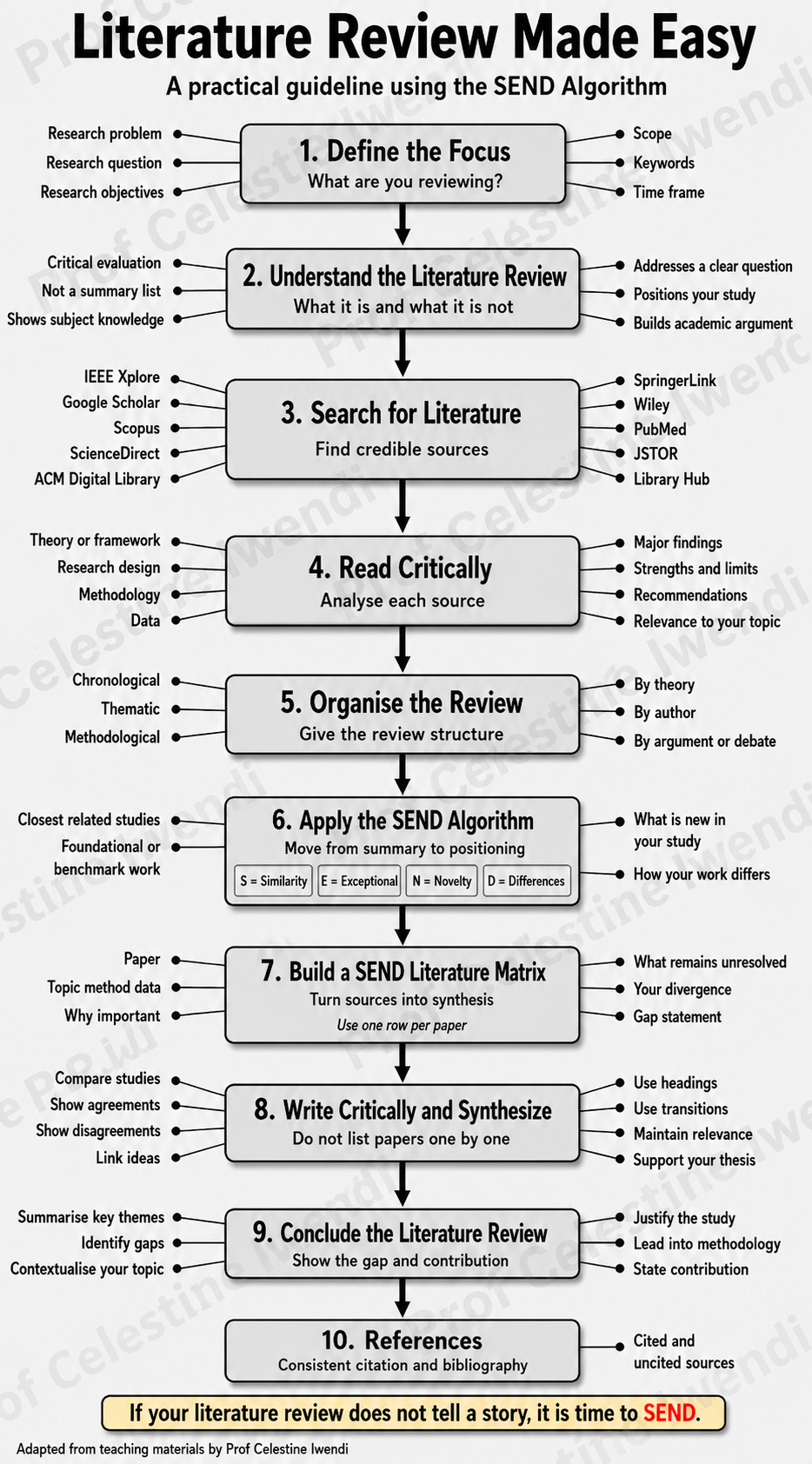
One of the central features of the guidance series is the SEND Algorithm, an original approach created by Professor Iwendi to help students move beyond descriptive writing. The SEND approach encourages students to identify Similarity, Exceptionality, Novelty and Differences across existing studies. This enables them to build stronger literature reviews, develop clearer research gaps and position their work more convincingly within the body of knowledge.
The materials also support students in understanding the relationship between research chapters. Rather than treating each chapter as a separate task, the guides show how the introduction, literature review, methodology, results and discussion chapters must align as one coherent academic story.
Professor Iwendi noted that the goal is to make research more accessible without lowering academic standards.
“Research should not be a mystery. It should be a disciplined story of problem, evidence, method, findings and contribution. When students understand this, they become better researchers and their work begins to make real impact,” he added.
The initiative reflects Professor Iwendi’s wider academic mission of mentoring students, strengthening research culture and contributing to knowledge creation through practical, student centred research tools.
As more students engage with these resources, the expectation is that they will become more confident in academic writing, more precise in research design and more capable of producing work that contributes to scholarship, industry and society.
Proverb for the initiative:
When a teacher lights a lamp for a student, the room becomes brighter for both.